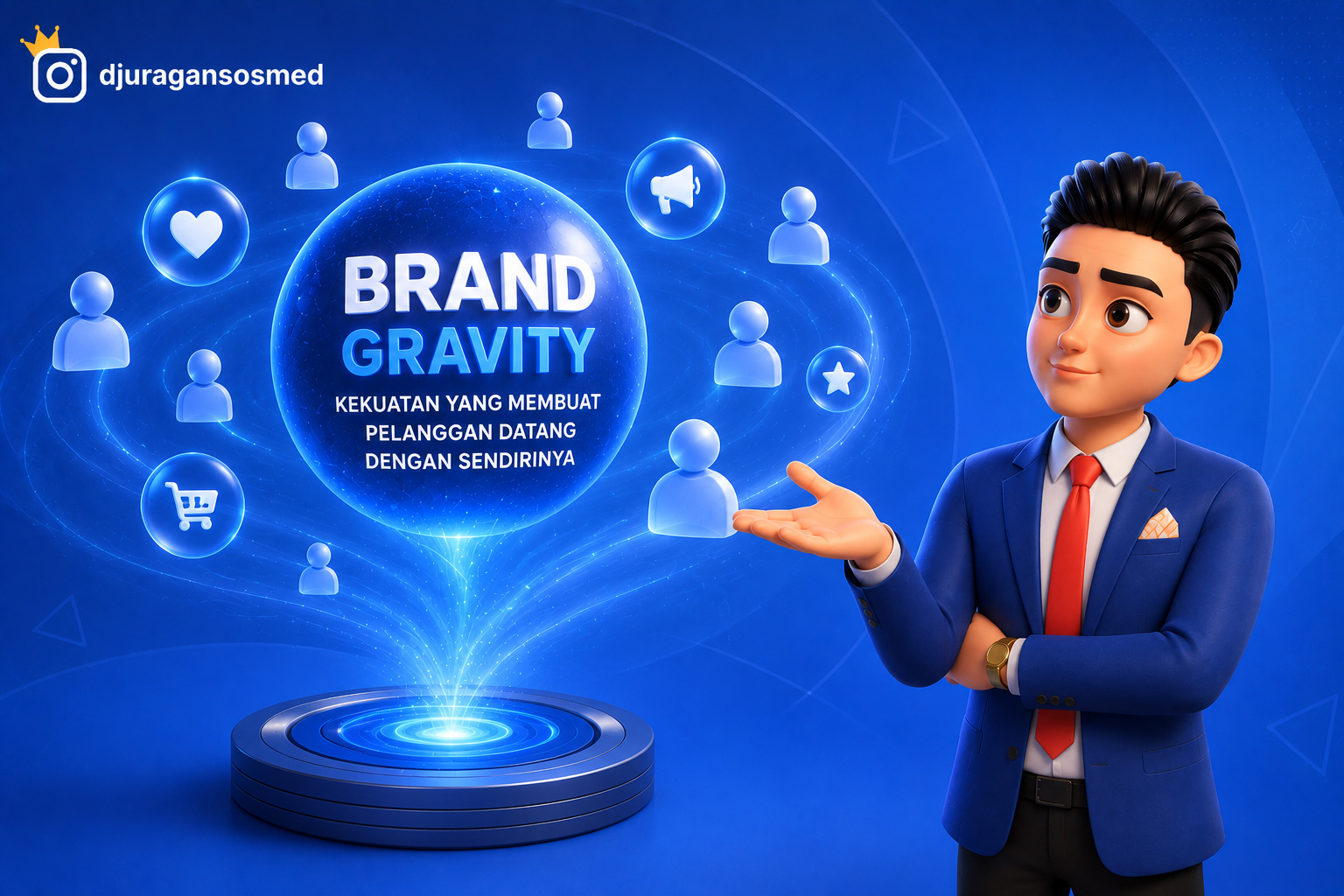
Brand Gravity: The Power That Naturally Attracts Customers
Why do some brands consistently attract customers without relying heavily on advertisements, while others struggle to get noticed despite offering quality products?
The answer often lies in Brand Gravity. This concept refers to a brand's ability to naturally capture attention, build trust, and encourage people to choose it without constant persuasion.
The stronger your Brand Gravity, the more likely customers are to seek out your business before considering your competitors.
What Is Brand Gravity?
Brand Gravity is the magnetic force that draws people toward a brand. It is created through trust, consistency, credibility, and positive customer experiences.
Just as gravity pulls objects toward the earth, Brand Gravity encourages potential customers to engage with your business, make purchases, and eventually become loyal advocates.
Brands with strong Brand Gravity don't simply gain customers—they build lasting relationships that continue to grow over time.
Why Is Brand Gravity Important?
Today's digital marketplace is more competitive than ever. Every day, consumers are exposed to thousands of advertisements, social media posts, and promotional messages.
If your business depends only on discounts or paid advertising, customers may quickly switch to another brand offering a better deal.
Building Brand Gravity provides long-term advantages.
1. Builds Customer Trust
People are more likely to buy from brands that appear professional, active, and reliable. A trustworthy image reduces hesitation during the buying process.
2. Reduces Dependence on Paid Advertising
Advertising is useful for reaching new audiences, but a strong brand can also generate traffic through organic searches, customer referrals, and repeat purchases.
3. Increases Customer Loyalty
Customers stay loyal to brands that consistently deliver value and positive experiences. Loyalty often leads to repeat business and stronger customer relationships.
4. Encourages Word-of-Mouth Marketing
Satisfied customers naturally recommend brands they enjoy. These recommendations are highly valuable because they come from genuine experiences rather than promotional campaigns.
Key Elements That Create Brand Gravity
A Consistent Brand Identity
Maintain the same visual identity, messaging, and tone across every platform. Consistency helps customers recognize and remember your brand.
A Strong Digital Presence
Your website, social media profiles, and online business listings are often the first places potential customers visit. Keeping them updated creates a professional first impression.
Valuable Content
Educational articles, practical tips, customer success stories, and industry insights position your business as a trusted source of information while strengthening audience relationships.
Social Proof
Customer reviews, testimonials, engagement, and an active online community all contribute to building credibility and increasing customer confidence.
How to Strengthen Your Brand Gravity
Building Brand Gravity takes time, but every consistent effort contributes to stronger brand recognition and trust.
Here are several effective strategies:
- Develop a clear and memorable brand identity.
- Maintain consistent communication across all digital channels.
- Publish valuable content on a regular basis.
- Deliver excellent customer service.
- Showcase authentic customer testimonials.
- Encourage meaningful engagement on social media.
- Optimize your website for search engines to improve visibility.
Over time, these actions create a brand that customers recognize, trust, and recommend.
The Role of Social Media in Brand Gravity
Social media plays a significant role in strengthening Brand Gravity. Active accounts with meaningful engagement often attract more attention and build stronger relationships with potential customers.
Likes, comments, shares, followers, and other engagement metrics are more than just numbers. When supported by high-quality content, they help reinforce credibility and increase customer confidence.
The goal is not simply to publish more content, but to create meaningful interactions that encourage long-term relationships with your audience.
Conclusion
Brand Gravity is the invisible force that attracts customers, builds trust, and encourages long-term loyalty. It is not created through aggressive promotion alone but through consistent branding, valuable content, excellent customer experiences, and a strong online presence.
Although building Brand Gravity requires patience and consistency, the long-term benefits can significantly contribute to sustainable business growth.
If you're looking to strengthen your brand's online presence and increase engagement across social media platforms, Djuragansosmed offers professional social media marketing services designed to help businesses grow their visibility, engagement, followers, views, and overall digital credibility. With the right strategy, your brand can attract more attention and earn greater customer trust.
Frequently Asked Questions
1. What is Brand Gravity?
Brand Gravity is a brand's ability to naturally attract customers by building trust, credibility, and strong emotional connections without relying solely on paid promotions.
2. Is Brand Gravity only important for large companies?
No. Businesses of all sizes, including startups and small businesses, can build Brand Gravity through consistent branding, excellent service, and valuable content.
3. How does social media influence Brand Gravity?
Social media increases brand visibility, encourages customer interaction, and strengthens credibility through consistent engagement and valuable content.
4. How long does it take to build Brand Gravity?
There is no fixed timeline. Results depend on how consistently a business improves its branding, customer experience, content quality, and digital presence.
5. What is the fastest way to improve Brand Gravity?
Focus on delivering exceptional customer experiences, maintaining a consistent brand identity, publishing valuable content, and leveraging social proof such as reviews, testimonials, and social media engagement.