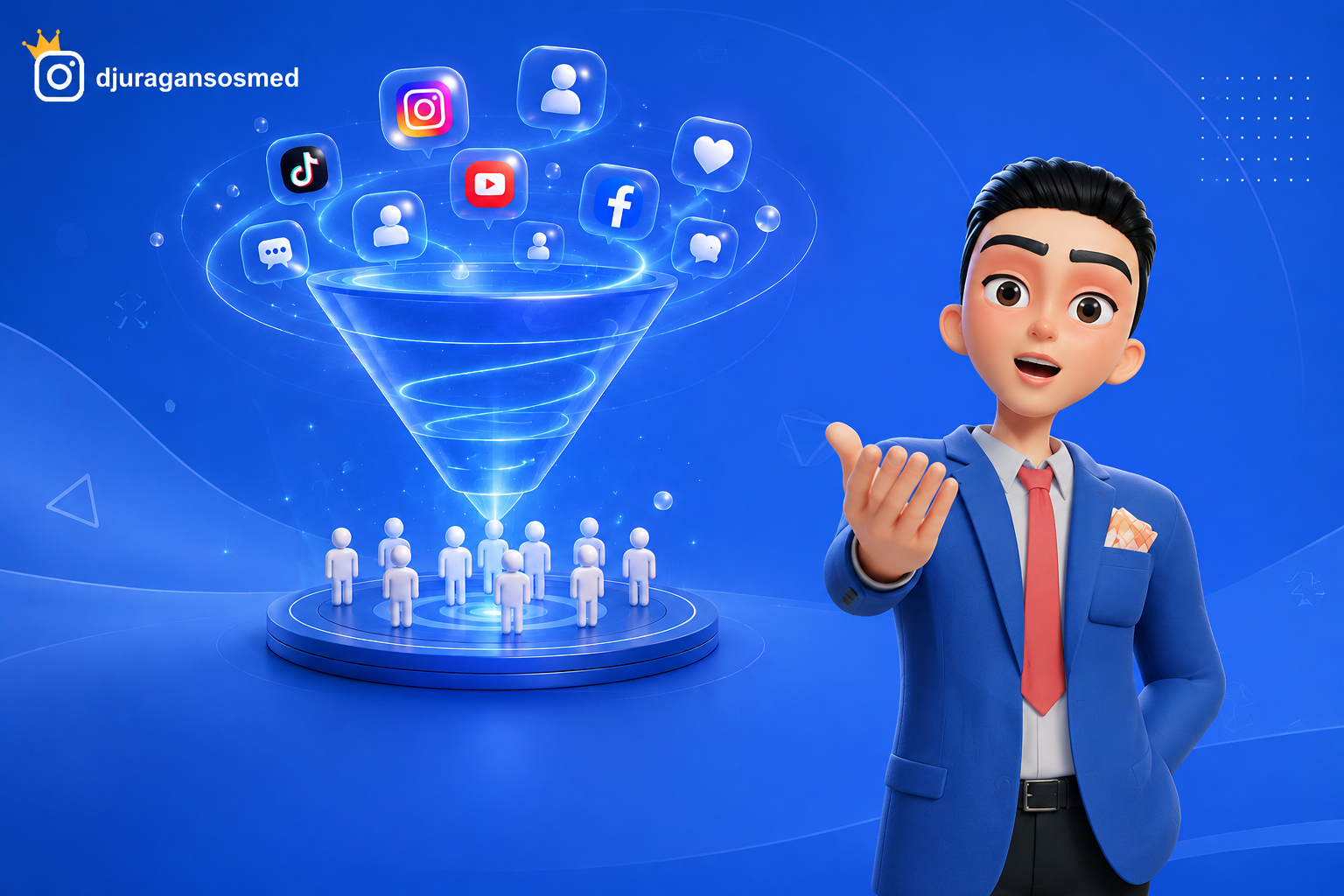
Demand Generation: The Strategy of Creating Demand Before Selling Your Product
Many businesses focus heavily on selling their products but overlook one critical question: Does the market actually want what they're offering? In reality, customers rarely buy products they don't understand or don't yet realize they need.
This is where Demand Generation becomes essential. Instead of pushing sales immediately, demand generation helps businesses build awareness, interest, and trust before presenting their products. When customers already recognize their problem and understand your solution, the sales process becomes much smoother.
In this article, we'll explore what demand generation is, why it matters, and how your business can use it to attract high-quality customers and achieve sustainable growth.
What Is Demand Generation?
Understanding Demand Generation
Demand Generation is a marketing strategy designed to create awareness and interest in a product or service through valuable content, education, and meaningful customer interactions.
Rather than asking customers to buy immediately, this approach helps them understand their challenges, discover possible solutions, and naturally consider your brand when they're ready to make a purchase.
In short, demand generation focuses on building long-term relationships instead of chasing short-term sales.
Why Is Demand Generation Important?
Today's consumers have endless options. Before making a purchase, they typically search for information on Google, browse social media, watch videos, or read customer reviews.
If your business only appears when promoting discounts or special offers, potential customers may not have enough confidence to choose your brand.
Businesses that consistently educate and provide value are far more likely to earn trust and remain top of mind.
Some of the key benefits of demand generation include:
- Increasing brand awareness
- Attracting highly relevant audiences
- Building long-term customer trust
- Lowering customer acquisition costs over time
- Generating higher-quality leads
Demand Generation vs. Lead Generation
Although these terms are often used interchangeably, they serve different purposes.
| Demand Generation | Lead Generation |
|---|---|
| Creates awareness and interest | Collects potential customer information |
| Focuses on education | Focuses on conversion |
| Reaches a broader audience | Targets people already interested |
| Supports the early customer journey | Supports the buying stage |
Demand generation lays the foundation, while lead generation converts interested prospects into potential customers.
Effective Demand Generation Strategies
1. Create Educational Content
Content is one of the most effective tools for generating demand.
Consider producing:
- Blog articles
- Educational videos
- Infographics
- Webinars
- Podcasts
- E-books
Content that answers your audience's questions is more likely to rank in search engines and be shared across social media.
2. Invest in SEO
Most buying journeys begin with an online search.
By implementing a solid SEO strategy, your website has a greater chance of appearing when people search for solutions related to your industry.
Publishing valuable and optimized content consistently helps generate long-term organic traffic.
3. Build a Strong Social Media Presence
Social media should be more than just a promotional channel.
Use platforms like Instagram, TikTok, Facebook, LinkedIn, and X to:
- Share industry insights
- Publish case studies
- Answer audience questions
- Engage with your community
The more value your audience receives from your content, the more likely they are to trust your brand.
4. Leverage Email Marketing
Email marketing remains one of the most effective ways to nurture potential customers.
Share valuable content such as:
- Practical tips
- Industry updates
- New blog posts
- Exclusive insights
- Personalized offers
Consistent communication keeps your brand top of mind until customers are ready to make a purchase.
5. Showcase Social Proof
People naturally trust the experiences of other customers more than advertising claims.
Build credibility by highlighting:
- Customer testimonials
- Case studies
- Online reviews
- Business achievements
- User statistics
Strong social proof reduces hesitation and increases buyer confidence.
Common Demand Generation Mistakes
Many businesses struggle with demand generation because they make these common mistakes:
Selling Too Soon
Constantly promoting products without first providing value often pushes potential customers away.
Publishing Only Sales Content
People are far more interested in content that solves their problems than content that simply promotes products.
Being Inconsistent
Demand generation is a long-term strategy. Consistency is far more effective than occasional marketing campaigns.
Ignoring Performance Data
Monitor metrics such as website traffic, engagement rates, session duration, and conversions to continuously improve your strategy.
The Role of Social Media in Demand Generation
Social media has become one of the most powerful channels for creating market demand. Valuable, engaging content can significantly increase brand visibility while strengthening customer trust.
Metrics such as likes, comments, shares, and video views also serve as social proof, demonstrating that your brand is active, credible, and appreciated by its audience. These interactions help attract new prospects while reinforcing your online reputation.
Increase Your Brand Visibility with Djuragansosmed
A successful demand generation strategy becomes even more effective when supported by strong social media visibility. Djuragansosmed provides a wide range of Social Media Marketing services designed to help businesses improve their online presence through followers, likes, views, comments, and other engagement solutions.
With greater exposure, your educational content can reach a broader and more relevant audience, helping your business build awareness, trust, and long-term customer relationships more effectively.
Conclusion
Demand Generation is not about selling faster—it's about creating genuine interest before asking customers to buy. When people already understand your brand, trust your expertise, and recognize the value you provide, the sales process becomes far more natural.
By combining educational content, SEO, social media marketing, email campaigns, and social proof, businesses can build sustainable demand and attract higher-quality customers for long-term growth.
Frequently Asked Questions (FAQ)
What is demand generation?
Demand generation is a marketing strategy focused on creating awareness, interest, and trust in a product or service before encouraging customers to make a purchase.
How is demand generation different from lead generation?
Demand generation builds awareness and interest, while lead generation focuses on capturing potential customer information and converting prospects into buyers.
Is demand generation only suitable for large companies?
No. Small businesses, startups, and enterprises alike can benefit from demand generation by consistently creating valuable content and engaging with their audience.
How long does demand generation take to produce results?
Demand generation is a long-term strategy. Brand awareness and organic traffic may improve within a few months, while measurable sales growth typically takes longer depending on consistency and market conditions.
Why is social media important for demand generation?
Social media expands content reach, encourages audience engagement, builds credibility through social proof, and helps businesses establish lasting relationships with potential customers.