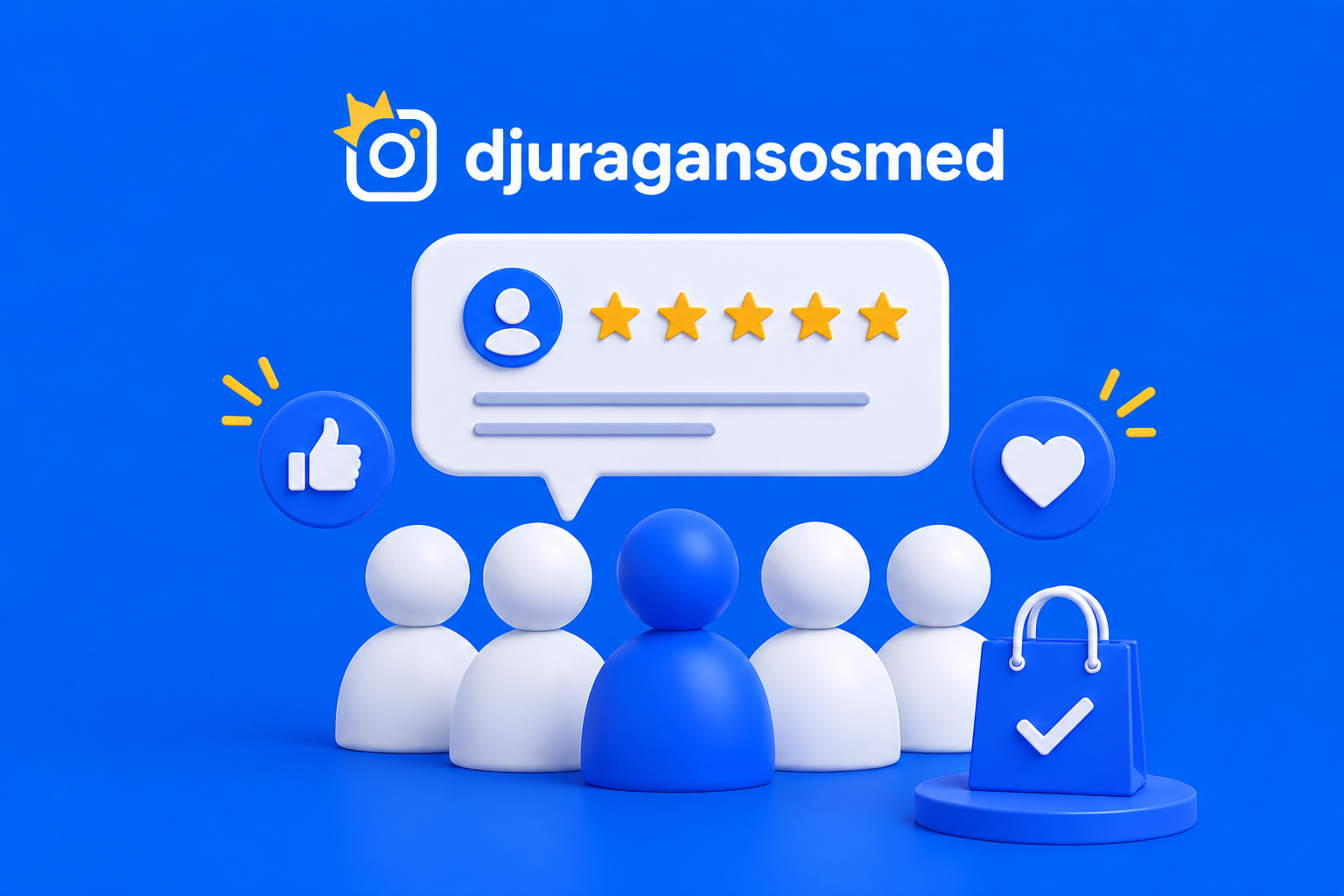
The Psychology of Social Proof in Consumer Buying Decisions
Have you ever purchased a product simply because you saw many other people using it? Or perhaps you felt more confident buying from a store after reading hundreds of positive reviews? If so, you've experienced the influence of social proof, one of the most powerful psychological principles in consumer behavior.
In today's highly competitive digital marketplace, people rarely make purchasing decisions based on product features alone. Instead, they often look for reassurance from the experiences, opinions, and actions of others before committing to a purchase.
This explains why customer testimonials, five-star ratings, user reviews, social media engagement, and even long queues outside a restaurant can significantly increase consumer confidence. In this article, we'll explore how social proof works, why it has such a strong impact on buying decisions, and how businesses can use it ethically to build trust and long-term credibility.
What Is Social Proof?
Social proof is a psychological phenomenon in which people tend to follow the actions or decisions of others, especially when they are uncertain about what choice to make.
The concept was popularized by psychologist Robert Cialdini as one of the key principles of persuasion. According to this theory, individuals naturally assume that if many people make the same decision, it is probably the right one.
In marketing, social proof serves as evidence that a product, service, or brand has already earned the trust of other customers. This perceived validation reduces uncertainty and makes potential buyers feel more comfortable moving forward.
Common examples of social proof include:
Products with thousands of positive customer reviews.
Restaurants that are consistently crowded.
Videos with millions of views.
Social media accounts with active communities.
Genuine customer testimonials that highlight real experiences.
Each of these signals helps reassure potential customers before they make a purchase.
Why Is Social Proof So Powerful?
It Reduces the Perceived Risk of Buying
Every purchase involves some level of uncertainty. Consumers worry about wasting money, receiving poor-quality products, or making the wrong decision.
When they see that many others have already had positive experiences, those concerns become much smaller.
People naturally think:
"If so many customers are satisfied, there's a good chance I will be too."
This feeling of reassurance often shortens the decision-making process.
It Helps When Information Is Limited
Most consumers don't spend hours researching every product they buy.
Instead, they compare a few options and make quick judgments.
In these situations, social proof acts as a mental shortcut.
Rather than analyzing every specification or feature, buyers rely on the experiences of previous customers to guide their decisions.
It Creates the Bandwagon Effect
Humans are social by nature.
When people notice that a product is becoming increasingly popular, they often assume it must be valuable or worth trying.
This behavior is known as the bandwagon effect—the tendency to adopt something simply because many other people have already done so.
As more customers join, popularity continues to grow, creating a cycle that attracts even more buyers.
Types of Social Proof in Marketing
1. Customer Testimonials
Authentic customer testimonials are among the most persuasive forms of social proof.
Stories that describe a customer's journey before and after using a product often feel far more trustworthy than traditional advertising messages.
Real experiences help potential buyers imagine achieving similar results.
2. Ratings and Reviews
Before purchasing online, many consumers read customer reviews.
Products with consistently high ratings generally appear more reliable than those with few or no reviews.
A larger number of genuine reviews also provides stronger evidence that the product has been tested by real customers.
3. Number of Customers or Users
Statements such as:
Trusted by over 100,000 customers
Used by thousands of businesses
Millions of successful transactions completed
can strengthen a brand's credibility.
Large customer numbers suggest that a product has already earned widespread acceptance, making new buyers feel more confident.
4. Social Media Engagement
Likes, comments, shares, and meaningful interactions demonstrate that a brand has an active audience.
An engaged community often builds more trust than a large follower count alone.
Today's consumers pay close attention not only to audience size but also to the quality of conversations happening around a brand.
5. Expert or Influencer Recommendations
Recommendations from respected professionals or trusted influencers can significantly influence purchasing decisions.
Consumers tend to believe opinions from people who have expertise, authority, or a strong reputation within a particular industry.
When these recommendations are authentic, they can strengthen both brand credibility and customer confidence.
How Social Proof Influences the Consumer's Mind
It Builds Trust More Quickly
Trust is the foundation of every successful business relationship.
When potential customers see clear evidence that others have already had positive experiences, they don't have to evaluate the brand from scratch.
Instead, they feel that the product or service has already been validated by a wider community.
This existing trust often makes the buying decision much easier.
It Reduces Doubt
One of the biggest reasons people postpone or abandon a purchase is uncertainty.
Potential buyers often ask themselves questions like:
Is this product really worth buying?
Can I trust this seller?
Will I regret spending my money?
Social proof helps answer these concerns before they become obstacles.
The more authentic positive feedback people encounter, the more confident they become in moving forward.
It Creates a Sense of Security
Seeing many satisfied customers sends a powerful signal that choosing the product carries less risk.
This emotional reassurance often has a stronger influence than lengthy product descriptions or technical specifications.
Consumers are more likely to trust what other buyers have experienced than what a brand claims about itself.
Common Mistakes When Using Social Proof
Not every social proof strategy delivers positive results. When used incorrectly, it can actually reduce consumer trust and damage a brand's reputation.
Using Fake Testimonials
Modern consumers are becoming increasingly skilled at recognizing fabricated reviews and exaggerated testimonials.
If customers discover that a business is using fake feedback, trust can disappear almost instantly. Rebuilding that credibility often takes far more effort than earning it in the first place.
Authenticity will always outperform manufactured praise.
Focusing on Numbers Instead of Engagement
A large follower count may look impressive at first glance, but it means very little if there is little or no interaction.
Today's audiences pay attention to conversations, meaningful comments, customer feedback, and community activity.
An account with genuine engagement is often perceived as more trustworthy than one with inflated metrics but inactive followers.
Displaying Irrelevant Social Proof
Not every testimonial resonates with every audience.
For example, if you're selling software for businesses, testimonials from entrepreneurs or company owners will be far more convincing than reviews from users who don't represent your target market.
The more relevant your social proof is, the greater its impact on potential customers.
How to Build Social Proof Ethically
Sustainable social proof is built on genuine customer experiences rather than artificial popularity.
Here are several effective ways to develop trust naturally.
Encourage Authentic Customer Reviews
Invite customers to share honest feedback after they have used your product or service.
Even constructive criticism can increase credibility because it demonstrates transparency.
Authentic reviews consistently carry more value than overly polished testimonials.
Showcase Case Studies
Case studies provide real evidence of how your product or service solved a customer's problem.
Including measurable results, practical examples, or before-and-after comparisons makes your claims much more convincing.
Instead of simply telling people that your product works, demonstrate the outcomes it has achieved.
Build an Active Community
Strong brands are supported by engaged communities rather than passive audiences.
Encourage discussions, answer customer questions, and create opportunities for users to share their experiences.
When customers interact with one another, social proof develops naturally without appearing forced.
Deliver Outstanding Customer Experiences
The most powerful form of social proof comes from satisfied customers.
When people have a positive experience, they are far more likely to recommend your business, leave reviews, and introduce your brand to others.
Exceptional service creates a cycle where happy customers become your most effective advocates.
Social Proof in Digital Marketing
Today, nearly every customer journey begins online.
Whether someone is shopping for products, choosing a service provider, or researching a company, they usually look for signs of credibility before making a decision.
Online reviews, customer testimonials, social media activity, brand mentions, and community engagement all contribute to a company's digital reputation.
For businesses looking to strengthen their online presence, maintaining active and credible social media profiles can reinforce customer confidence. Platforms like Djuragansosmed help businesses improve their social media performance through services designed to support sustainable account growth. However, the strongest long-term results come from combining these efforts with valuable content, excellent customer service, and genuine customer satisfaction.
Conclusion
Social proof is one of the most influential psychological factors affecting consumer purchasing decisions.
When people see that others have already trusted a product or service, they naturally feel more confident about making the same choice.
However, effective social proof is not about chasing impressive numbers or creating artificial popularity. Lasting trust is built through authentic customer experiences, honest reviews, active communities, and a consistently positive brand reputation.
As competition continues to grow in the digital marketplace, businesses that prioritize transparency and genuine customer relationships will be better positioned to earn trust, strengthen credibility, and convert more potential customers into loyal clients.
Frequently Asked Questions (FAQ)
1. What is social proof in marketing?
Social proof is a psychological principle where people rely on the actions, opinions, or experiences of others when making purchasing decisions. It helps reduce uncertainty and increases confidence before buying.
2. Why is social proof important for businesses?
Social proof builds trust, reduces customer hesitation, strengthens brand credibility, and often improves conversion rates by reassuring potential buyers.
3. What are the most effective types of social proof?
Some of the most effective forms include customer testimonials, online reviews, star ratings, case studies, user-generated content, customer success stories, and endorsements from industry experts or influencers.
4. Are social media followers considered social proof?
Yes. A strong follower count can contribute to social proof, but meaningful engagement, authentic interactions, and an active community have a much greater influence on consumer trust.
5. Is it okay to create fake testimonials?
No. Fake testimonials can seriously damage a brand's reputation if customers discover they are not genuine. Authentic customer feedback is always more valuable and sustainable.
6. How can businesses build social proof naturally?
Businesses can build social proof by delivering excellent customer experiences, encouraging honest reviews, publishing case studies, engaging with their audience, and consistently providing value through their products or services.