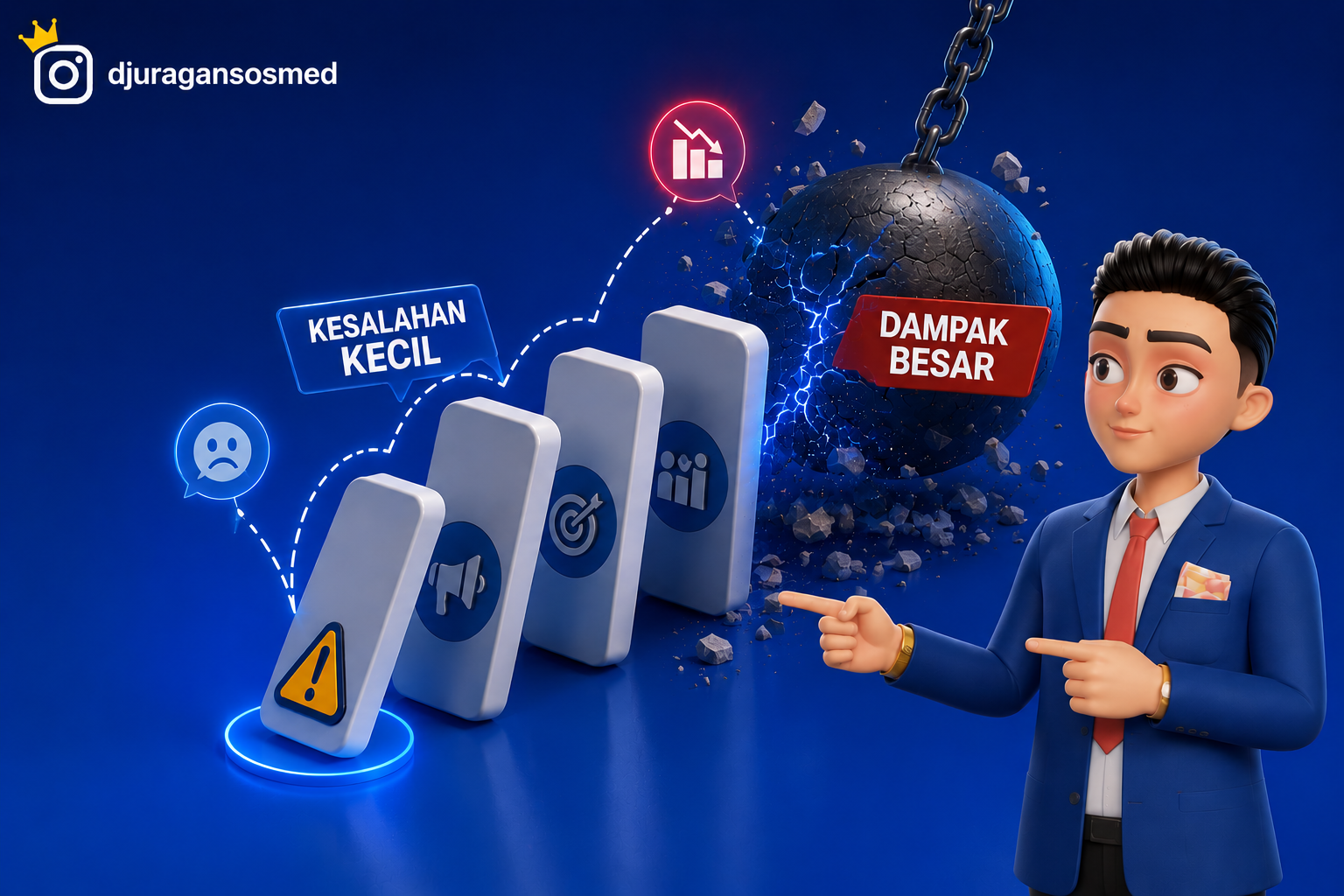
Small Marketing Mistakes That Can Have a Big Impact
Many business owners assume that poor marketing results are caused by limited budgets or intense competition. In reality, many businesses miss valuable opportunities because of simple marketing mistakes that seem insignificant at first.
When these small mistakes are repeated over time, they can reduce customer trust, weaken marketing performance, and even drive potential customers toward competitors. Understanding and avoiding these common pitfalls is essential for building an effective and sustainable marketing strategy.
Why Do Small Marketing Mistakes Matter?
Marketing is more than creating advertisements or posting on social media every day. Every interaction with your audience shapes how they perceive your brand.
Even if your advertising successfully attracts attention, unclear product information or a poor customer experience can prevent people from making a purchase. That's why every detail in your marketing strategy deserves attention.
1. Not Understanding Your Target Audience
Why Does This Happen?
Many businesses try to reach everyone, believing it will increase their chances of making sales. Unfortunately, this often results in marketing messages that fail to resonate with anyone.
The Impact
- Content receives little engagement.
- Advertising campaigns become less effective.
- Marketing costs increase without delivering better results.
How to Avoid It
Identify your ideal customers by understanding their demographics, interests, challenges, and goals. The more specific your target audience is, the easier it becomes to create marketing campaigns that truly connect with them.
2. Focusing Too Much on Selling
Promotion is important, but customers don't want to see sales pitches all the time.
Educational, inspirational, and problem-solving content tends to build stronger relationships with your audience than constant promotional posts.
A simple content balance to follow is:
- 70% valuable content
- 20% engagement-focused content
- 10% promotional content
This approach keeps your social media presence informative, engaging, and less overwhelming for your audience.
3. Inconsistent Branding
Your logo, colors, design style, and communication tone should remain consistent across all platforms.
If your brand appears formal one day and completely different the next without a clear reason, customers may struggle to recognize and remember your business.
Consistent branding helps create a professional image and strengthens brand recognition.
4. Ignoring Customer Responses
Many businesses take too long to reply to messages, comments, or customer reviews.
Fast and friendly responses often influence purchasing decisions. On the other hand, delayed communication can cause potential customers to lose interest and choose a competitor instead.
Excellent customer service is a key part of successful marketing.
5. Failing to Measure Marketing Performance
Some businesses regularly publish content and run advertising campaigns without evaluating the results.
However, marketing data can reveal valuable insights, such as:
- Which content performs best.
- The best times to publish content.
- Which promotions generate the most sales.
- Which platforms deliver the highest return on investment.
Regular analysis allows businesses to make informed decisions instead of relying on assumptions.
6. Neglecting Social Media Appearance
For many customers, social media is the first place they visit before deciding to purchase a product or service.
An inactive account, inconsistent visual design, or low engagement may create the impression that the business is inactive or unreliable.
A well-managed social media presence helps build credibility and increases customer confidence.
7. Not Building Customer Trust
People don't only buy products—they buy confidence in a brand.
Trust can be strengthened through:
- Customer testimonials
- Positive reviews
- Portfolio or case studies
- Consistent social media activity
- Clear and transparent business information
The stronger your credibility, the greater your chances of converting potential customers into loyal buyers.
How to Avoid These Marketing Mistakes
To improve your marketing performance, consider these best practices:
- Clearly define your target audience.
- Create content that provides value.
- Maintain consistent branding.
- Respond to customers quickly and professionally.
- Monitor and evaluate marketing performance regularly.
- Keep your social media accounts active and updated.
- Build trust through social proof and meaningful customer interactions.
Consistency in these areas will deliver better long-term results than relying on occasional promotions alone.
Conclusion
Marketing mistakes often seem harmless in the beginning, but over time they can slow business growth, reduce customer trust, and decrease the effectiveness of your promotional efforts.
Successful marketing is not about spending the largest budget—it's about making smart, consistent decisions that create value for your audience. By avoiding these common mistakes, businesses can strengthen their brand, improve customer relationships, and achieve sustainable growth.
If you're looking to build a stronger online presence, increase social media engagement, and enhance your brand credibility, Djuragansosmed is ready to support your business with professional social media marketing services designed to help you grow more effectively.
Frequently Asked Questions (FAQ)
1. What is the most common marketing mistake?
One of the most common mistakes is failing to understand the target audience, resulting in ineffective marketing messages and wasted advertising budgets.
2. Why is consistent branding important?
Consistent branding makes your business easier to recognize, strengthens customer trust, and creates a more professional image.
3. Does an active social media presence really matter?
Yes. Active social media accounts demonstrate that your business is reliable, engaged, and committed to serving customers.
4. How important is responding to customer messages?
Very important. Quick and helpful responses improve customer satisfaction and significantly increase the likelihood of making a sale.
5. How can I measure whether my marketing strategy is effective?
Track key performance indicators such as engagement, reach, conversions, website traffic, sales, and customer feedback. Reviewing these metrics regularly helps you continuously improve your marketing strategy.