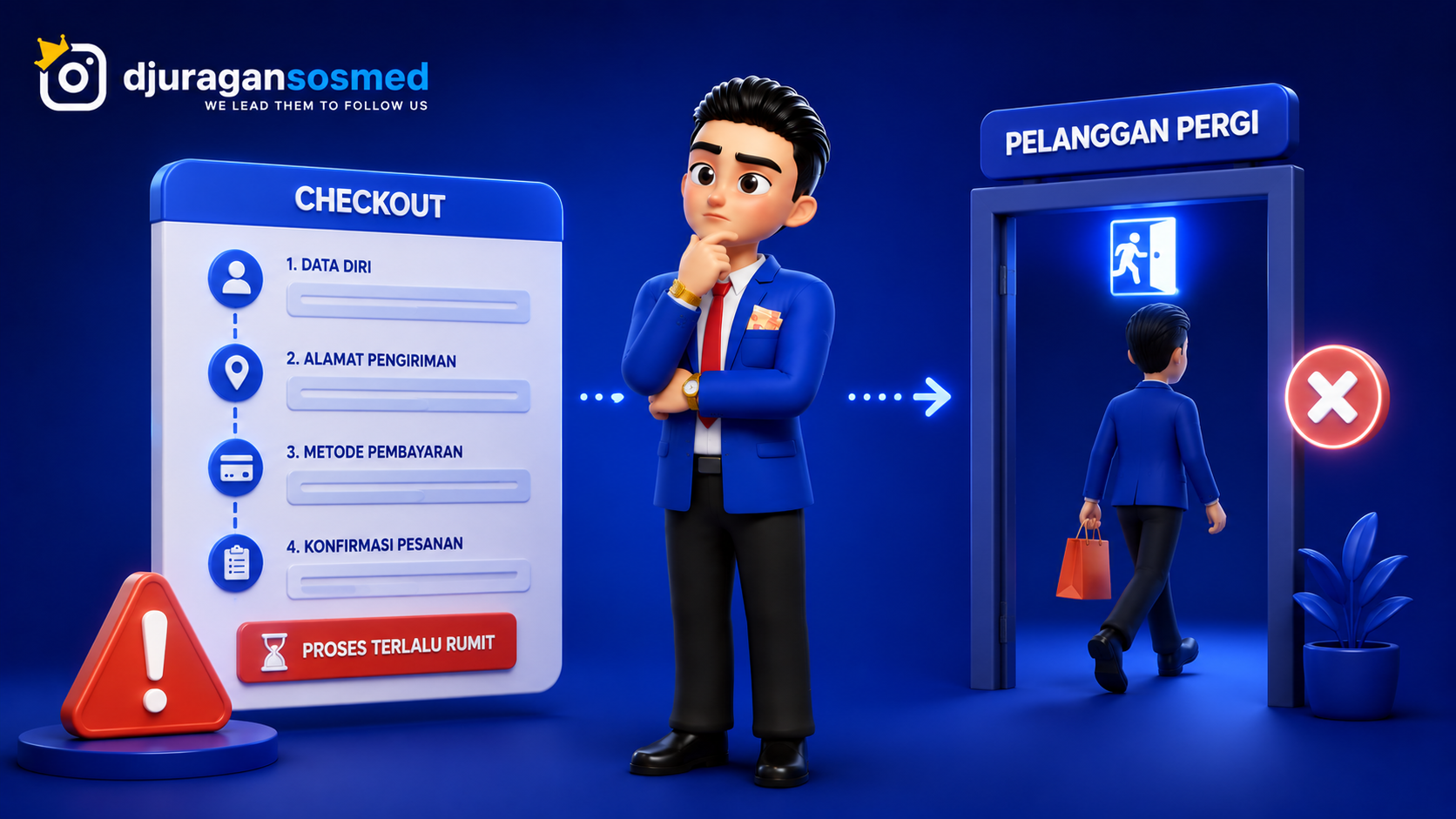
Why a Complicated Buying Process Can Make Customers Leave
Getting potential customers interested in a product is not always easy. However, all that effort can be wasted when the buying process feels too complicated.
Customers generally want a simple experience. They want to understand the product, check the price, make a payment, and receive confirmation without having to go through too many steps.
When the process takes too long or becomes confusing, potential buyers may decide to stop before completing the purchase.
What Makes a Buying Process Complicated?
A complicated buying process occurs when customers have to go through too many steps to complete a transaction.
For example, they may have to fill out lengthy forms, search for product information, deal with limited payment options, or move between different platforms just to complete one purchase.
Small obstacles during the process can make the overall shopping experience less comfortable.
Too Many Steps
The more steps customers have to complete, the greater the chance they will lose interest.
If a simple purchase requires multiple clicks, repeated information, or several confirmations, customers may feel that the process is not worth the effort.
Unclear Information
Customers need easy access to important information before making a decision.
Prices, product variations, additional costs, payment methods, and delivery information should be clearly presented. Unclear information can make potential buyers hesitate to continue.
Limited Payment Options
Not every customer uses the same payment method. When the available options are too limited, some potential buyers may decide to cancel their purchase.
Payment convenience is an important part of the overall customer experience.
Why Do Customers Abandon the Buying Process?
There are several reasons why customers may stop before completing a transaction.
The Process Feels Inconvenient
People tend to prefer processes that are quick and easy. If they have to do too much just to purchase one product, they may start looking for another option.
Doubts Begin to Appear
An unclear process can create questions in the customer's mind.
They may begin to wonder whether the payment is secure, whether there are additional costs, or whether their order will actually be processed.
Customers Lose Their Momentum
Customer interest does not always last. When the buying process takes too long, their motivation to purchase can decrease.
Businesses should therefore make sure that the distance between being interested and making a purchase is not too long.
How to Make the Buying Process Simpler
Businesses do not always need a complicated system to improve the customer experience. A few simple improvements can make a significant difference.
Remove Unnecessary Steps
Review every stage of the buying process. If a step does not provide meaningful value to the customer, consider removing it.
The goal is to help customers complete their purchase with as little effort as possible.
Show Important Information Early
Prices, product details, payment options, and delivery information should be easy to find.
Customers should not have to spend too much time searching for basic information.
Create an Easy-to-Understand Interface
Use clear buttons, menus, and instructions. Avoid presenting too many choices that could confuse customers.
A simple interface helps customers understand what they need to do next.
Make Sure the Process Works Well on Mobile
Many customers access businesses through smartphones. Therefore, the buying process should remain convenient on smaller screens.
Buttons that are difficult to tap or pages that load slowly can cause customers to leave before completing their purchase.
The Connection Between the Buying Process and Customer Trust
Convenience is not only about comfort. A clear buying process can also help build trust.
When customers know what they need to do, how much they need to pay, and what will happen after the transaction, they are more likely to feel confident.
On the other hand, a confusing process can create the impression that a business is not fully prepared to serve its customers.
How Can Businesses Identify Problem Areas?
Do not only look at the number of completed transactions. Pay attention to where potential customers stop.
For example, if many visitors view a product page but only a few proceed to payment, this could indicate that there is an obstacle before checkout.
Website and digital platform data can help businesses identify which parts of the process need improvement.
By understanding where customers begin to leave, businesses can make changes based on actual behavior rather than assumptions.
Djuragansosmed and the Importance of Digital Experience
For businesses that actively build their presence on social media, attracting potential customers is only one part of their journey.
After seeing content and becoming interested in a product or service, customers need a clear and easy next step.
Djuragansosmed can help businesses develop their social media activities so their digital presence becomes more organized and consistent. With proper social media management, businesses can build audience attention while creating a more consistent experience across their digital channels.
Conclusion
A complicated buying process can make customers leave even when they are already interested in a product.
Businesses need to pay attention to every stage, from finding information to completing payment. The clearer and simpler the process is, the fewer obstacles customers will experience.
For this reason, businesses should regularly evaluate their buying process. Customers should not leave simply because the way to purchase a product or service is too difficult.
FAQ
1. What is a complicated buying process?
A complicated buying process is a transaction process that involves too many steps, unclear information, or excessive effort from the customer.
2. Why can the buying process affect customer decisions?
A difficult process can make customers feel uncomfortable, uncertain, or lose interest in completing the transaction.
3. How can businesses simplify the buying process?
Businesses can remove unnecessary steps, provide clear information, offer suitable payment methods, and create an easy-to-use interface.
4. Does a website affect the buying process?
Yes. A slow, difficult-to-use, or confusing website can become an obstacle for customers.
5. How can businesses identify where customers abandon the process?
Businesses can use data and analytics to track the customer journey and identify stages where the highest drop-off occurs.