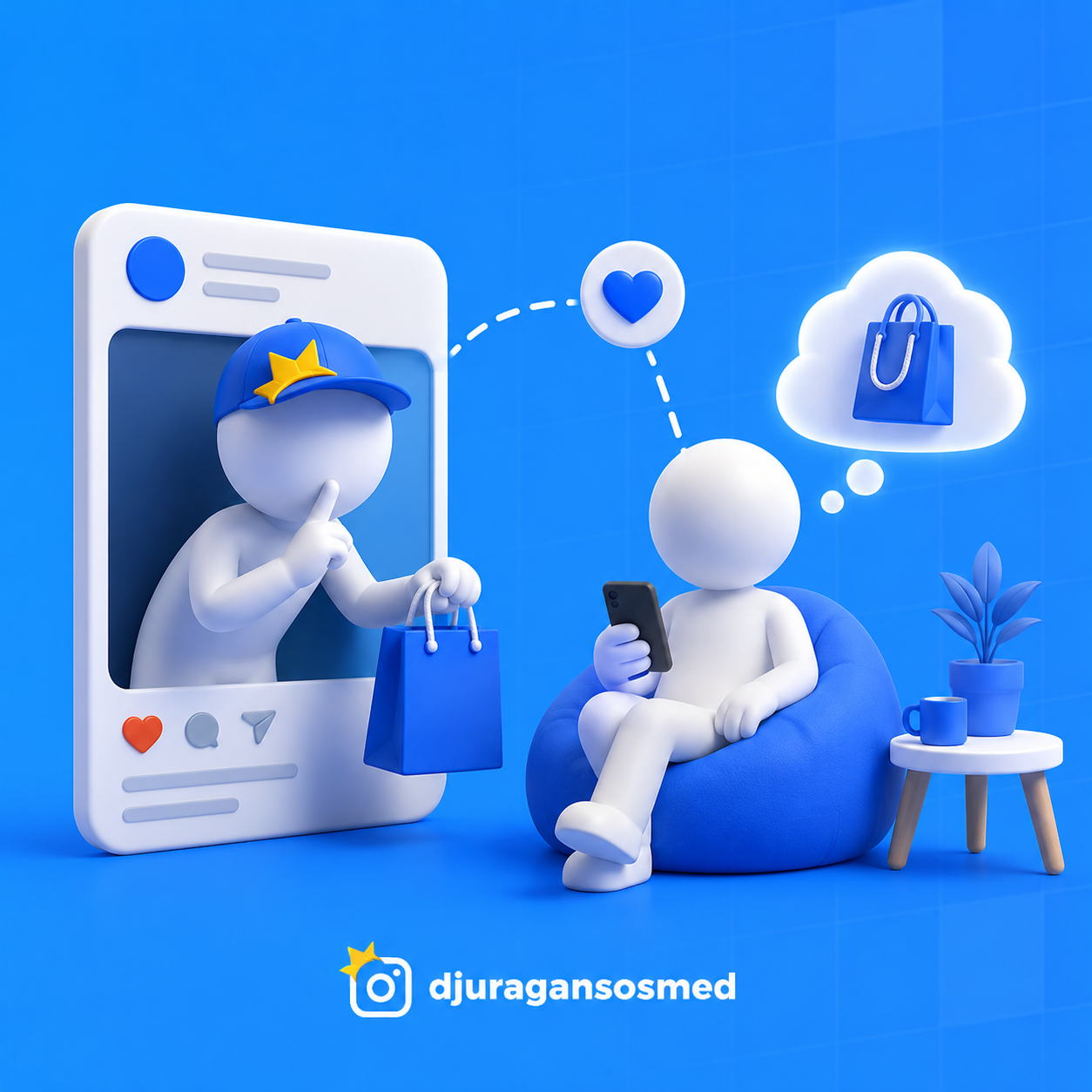
Silent Marketing: How Brands Sell Without Looking Like They're Selling
Today's consumers are exposed to countless marketing messages every day. From banner ads and promotional emails to sponsored posts and pop-up notifications, promotional content has become almost impossible to avoid. As a result, many people have developed "advertising fatigue" and are far more selective about the messages they choose to engage with.
Interestingly, some brands continue to grow rapidly without appearing overly promotional. They rarely publish aggressive sales posts, don't constantly push discounts, and often avoid direct "Buy Now" messages. Yet their products continue to attract customers and generate consistent sales.
This approach is known as Silent Marketing—a strategy that focuses on building trust, credibility, and meaningful relationships instead of relying on aggressive promotional tactics. Rather than convincing people to buy, silent marketing creates an environment where customers naturally decide that a brand is the right choice.
So, what exactly is Silent Marketing, and why is it becoming one of the most effective marketing strategies in today's digital landscape?
What Is Silent Marketing?
Silent Marketing is a marketing strategy that attracts customers without constantly asking them to make a purchase. Instead of focusing on direct sales messages, brands invest in creating value through education, useful content, customer experiences, and long-term credibility.
Rather than saying,
"Our product is the best."
A brand demonstrates its value by sharing real customer success stories, educational content, expert insights, or authentic user experiences.
This subtle approach allows potential customers to feel that they discovered the solution on their own instead of feeling pressured by traditional advertising.
Why Is Silent Marketing Becoming More Effective?
Consumer behavior has changed significantly over the past few years.
Before making a purchase, most people now conduct their own research. They compare products, read customer reviews, watch video demonstrations, browse social media discussions, and search online for honest opinions.
This shift means that purchasing decisions are increasingly driven by trust rather than advertising alone.
When a brand consistently provides valuable information without immediately asking for a sale, it gradually earns credibility. Over time, that trust becomes one of its strongest competitive advantages.
This explains why many successful companies invest heavily in educational content, customer experience, and brand reputation instead of relying solely on promotional campaigns.
Characteristics of Brands That Practice Silent Marketing
1. They Focus on Providing Value Before Selling
Instead of filling every post with promotional messages, these brands create content that genuinely helps their audience.
Examples include:
- Practical tips
- Step-by-step tutorials
- Educational articles
- Industry insights
- Case studies
- Product usage guides
Even people who have never purchased from the brand can still benefit from the information provided.
That positive experience often becomes the first step toward building customer trust.
2. They Use Soft and Natural Calls-to-Action
Silent Marketing doesn't eliminate calls-to-action—it simply makes them feel less intrusive.
Instead of using aggressive phrases like:
- Buy Now
- Limited Time Offer
- Order Today
Brands often choose more natural alternatives such as:
- Learn More
- Explore the Details
- Discover How It Works
- Read the Full Guide
This subtle communication style encourages curiosity rather than creating pressure.
3. They Maintain Consistent Brand Identity
Being "silent" doesn't mean becoming invisible.
Brands that use Silent Marketing maintain a strong and recognizable presence through consistent visual identity, messaging, tone of voice, and content quality across every platform.
The more consistently people encounter a recognizable brand, the easier it becomes to remember when they eventually need its products or services.
4. They Let Customers Become Their Best Promoters
Word-of-mouth remains one of the most powerful forms of marketing.
Customer reviews, testimonials, user-generated content, and personal recommendations often influence buying decisions far more effectively than traditional advertising.
Instead of repeatedly claiming that their products are excellent, Silent Marketing allows satisfied customers to tell the story.
Authentic experiences create credibility that advertising alone cannot achieve.
Why Does Silent Marketing Work? The Psychology Behind It
Building Trust
People naturally prefer to buy from businesses they trust.
Trust develops when a brand consistently demonstrates expertise, reliability, and authenticity over time.
Rather than making bold claims, Silent Marketing allows credibility to grow through repeated positive experiences.
As confidence in the brand increases, the hesitation to make a purchase gradually decreases.
Reducing Consumer Resistance
Many consumers automatically ignore advertisements that appear too frequently or seem overly aggressive.
This phenomenon is often called advertising fatigue, where constant exposure to promotional messages causes people to stop paying attention altogether.
Silent Marketing reduces this resistance by presenting valuable information instead of constant sales pitches.
Because the content feels helpful rather than promotional, audiences are more willing to engage with it.
Leveraging the Mere Exposure Effect
Psychologists describe a concept known as the Mere Exposure Effect.
Simply put, people tend to develop positive feelings toward things they encounter repeatedly.
When a brand consistently publishes educational, inspiring, or entertaining content, audiences become increasingly familiar with it.
Later, when they need a related product or service, that familiar brand is far more likely to come to mind.
This makes Silent Marketing an effective long-term strategy for increasing brand recall.
Real-Life Examples of Silent Marketing
Whether we realize it or not, Silent Marketing is everywhere.
Common examples include:
- Blog articles that answer customer questions without aggressively promoting products.
- Educational YouTube videos that solve real problems.
- Social media posts that entertain while providing useful insights.
- Podcasts featuring industry knowledge and expert discussions.
- Email newsletters packed with valuable tips instead of constant promotions.
- Free webinars designed to educate rather than sell.
At the end of this type of content, the brand usually includes only a simple invitation to learn more or explore its services.
Because the audience has already received value, this subtle call-to-action feels natural rather than intrusive.
Silent Marketing vs. Hard Selling
| Silent Marketing | Hard Selling |
|---|---|
| Focuses on building long-term relationships | Focuses on immediate sales |
| Educates and provides value | Directly promotes products |
| Builds trust gradually | Relies on persuasive selling techniques |
| Creates sustainable business growth | Often delivers short-term results |
| Makes customers feel comfortable | Can sometimes create buying resistance |
Both approaches have their place in marketing.
However, businesses looking to build loyal customers and long-lasting brand equity often find Silent Marketing to be a more sustainable strategy.
How to Implement Silent Marketing in Your Business
Understand Your Audience's Challenges
Start by identifying the questions, problems, and concerns your potential customers frequently experience.
These insights become valuable content ideas that genuinely address customer needs instead of simply promoting products.
Create Content That Solves Problems
Every piece of content should answer a question, teach a new skill, or provide useful guidance.
When people consistently find helpful information from your brand, they are more likely to return whenever they need additional advice.
Over time, this ongoing relationship naturally increases trust and purchase intent.
Build Credibility Through Proof
Rather than making unsupported claims, showcase evidence of your expertise.
This might include:
- Customer testimonials
- Success stories
- Case studies
- Project portfolios
- Real business results
People tend to believe demonstrated experience more than promotional statements.
Optimize Your Content for Search Engines
Today, many purchasing decisions begin with an online search.
Creating SEO-friendly articles that answer real customer questions allows your business to attract qualified organic traffic long after the content is published.
Unlike paid advertising, high-quality evergreen content continues generating value over time.
Silent Marketing in the Social Media Era
Social media has evolved far beyond being a platform for promoting products. Today, it serves as a space where brands build relationships, earn trust, and establish meaningful connections with their audiences.
Brands that consistently publish educational, inspiring, or entertaining content often generate stronger engagement than those that post nothing but promotional offers. Instead of constantly asking people to buy, they focus on creating conversations, sharing valuable insights, and becoming a reliable source of information.
This approach helps foster a loyal community because followers continue to receive value even when they are not actively looking to make a purchase.
For businesses aiming to strengthen their digital presence, Silent Marketing works best when combined with consistent social media management. Regular content creation, meaningful audience interaction, and a recognizable brand identity all contribute to long-term credibility.
Platforms like Djuragansosmed can support businesses in maintaining an active and professional social media presence. By helping brands increase visibility and engagement through tailored social media solutions, businesses can grow organically without relying solely on aggressive promotional campaigns.
Conclusion
Silent Marketing proves that selling doesn't always have to look like selling.
When a brand consistently provides value, builds trust, and communicates authentically, customers are more likely to make purchasing decisions on their own. Instead of feeling persuaded by advertisements, they feel confident that they have found a brand worth choosing.
In today's highly competitive digital landscape, this strategy offers a sustainable way to build stronger customer relationships. While the results may not be immediate, the trust earned through consistent value often becomes the foundation for long-term business growth and customer loyalty.
Frequently Asked Questions (FAQ)
1. What is Silent Marketing?
Silent Marketing is a marketing approach that focuses on providing value, educating audiences, and building trust instead of using direct or aggressive sales techniques.
2. Is Silent Marketing suitable for small businesses?
Yes. In fact, small businesses can benefit significantly from Silent Marketing because it helps establish credibility and attract customers without requiring a large advertising budget.
3. Is Silent Marketing the same as Soft Selling?
Not exactly.
Soft Selling refers to using a gentle and non-aggressive sales approach, while Silent Marketing is a broader strategy that emphasizes trust-building, education, brand reputation, and customer experience throughout the entire marketing process.
4. How long does it take to see results from Silent Marketing?
The timeline depends on consistency and content quality.
Because Silent Marketing focuses on long-term relationship building, businesses typically see stronger and more sustainable results over time rather than immediate sales spikes.
5. Why is Silent Marketing effective on social media?
Social media users generally engage more with content that educates, inspires, or entertains than with constant promotional posts.
By consistently delivering valuable content, brands can increase engagement, strengthen audience relationships, and improve long-term brand recognition.
6. Can Silent Marketing increase sales?
Absolutely.
As trust in a brand grows, customers become more confident in making purchasing decisions. In addition, satisfied customers are more likely to recommend the brand to others, creating organic word-of-mouth marketing that supports sustainable business growth.